Activity period
- Earliest claimed event 17 March 1892
- Earliest documented report 17 March 1892
- Latest documented report 17 March 1892
- Pattern Single event
Summary
The Mercy Brown vampire incident was a well-documented 1892 event in Exeter, Rhode Island. After several members of the Brown family died of tuberculosis, townspeople exhumed Mercy Lena Brown’s body, believing an undead relative was draining the life of her still-living brother. They performed anti-vampire rituals in an unsuccessful attempt to save him. The case is now one of the best-known examples of the New England vampire panic — and a clear record of how a rural community answered a poorly understood disease.
Background
Unlike many vampire legends that survive mainly as lore, the Mercy Brown case is notable because the central events are well documented. It took place in Exeter, Rhode Island, in 1892, during a period when tuberculosis — then commonly called “consumption” — was a leading cause of death in New England.
The family tragedy began when Mary Brown, wife of farmer George T. Brown, died in 1883. Their eldest daughter, Mary Olive, died of the same illness in 1888. In 1891 and early 1892 the disease returned to the household. Mercy Lena Brown died on January 19, 1892; her brother Edwin grew critically ill soon after.
Medical science was beginning to identify infectious causes of disease, but many rural communities still drew on older folk ideas about illness and the dead. Because tuberculosis often spread among people living in close quarters, the sequence of sickness and death within one family could look as though the deceased were somehow feeding on the living.
As Edwin worsened, neighbors and relatives became convinced that one of the dead Browns had become undead and was draining his vitality. New England usage did not always employ the modern word “vampire,” but the underlying idea was similar: a deceased relative might continue to harm the living until the body was identified and neutralized.
George Brown eventually allowed several family graves to be opened. On March 17, 1892, villagers, a physician, and a newspaper reporter took part in the exhumation at Chestnut Hill Cemetery. The bodies of Mary and Mary Olive showed expected decomposition. Mercy’s body, dead only weeks and held through a cold New England winter — accounts often place her in an above-ground receiving vault — appeared unusually well preserved. Observers also reported blood remaining in some organs. To the people present, those signs seemed to confirm the folk diagnosis. In winter conditions, slowed decomposition and residual blood are also consistent with a recently deceased body; a physician on site is reported to have offered that colder reading at the time. Folk tradition won the day.
Following local custom, Mercy’s heart and liver were removed and burned. The ashes were mixed into a medicinal preparation and given to Edwin. Participants believed this would end the alleged undead influence and restore his health. The treatment failed. Edwin died of tuberculosis about two months later. Mercy’s remains were reburied in the family plot, and the episode entered local and national memory.
Historians place the incident inside the broader New England vampire panic — a regional pattern during repeated tuberculosis outbreaks in the eighteenth and nineteenth centuries, when families sometimes exhumed relatives and subjected bodies judged “suspicious” to rituals meant to stop the spread of illness. A typical sequence looked like this: one person fell ill and died; months or years later another relative developed the same wasting symptoms; still more household members sickened. Without a working model of bacterial transmission, that pattern could seem like an attack from beyond the grave.
The case became one of the best-known American “vampire” stories partly because it happened late enough for newspapers to cover it. Contemporary reporting, surviving records, the cemetery, and later historical work give a clearer dossier than many older traditions allow. Mercy is often remembered now as a tragic figure rather than a monster — a tuberculosis victim whose body became the focus of fear when effective treatment and a full understanding of the disease were still out of reach.
Witness statement
No statement on file.
Evidence & media
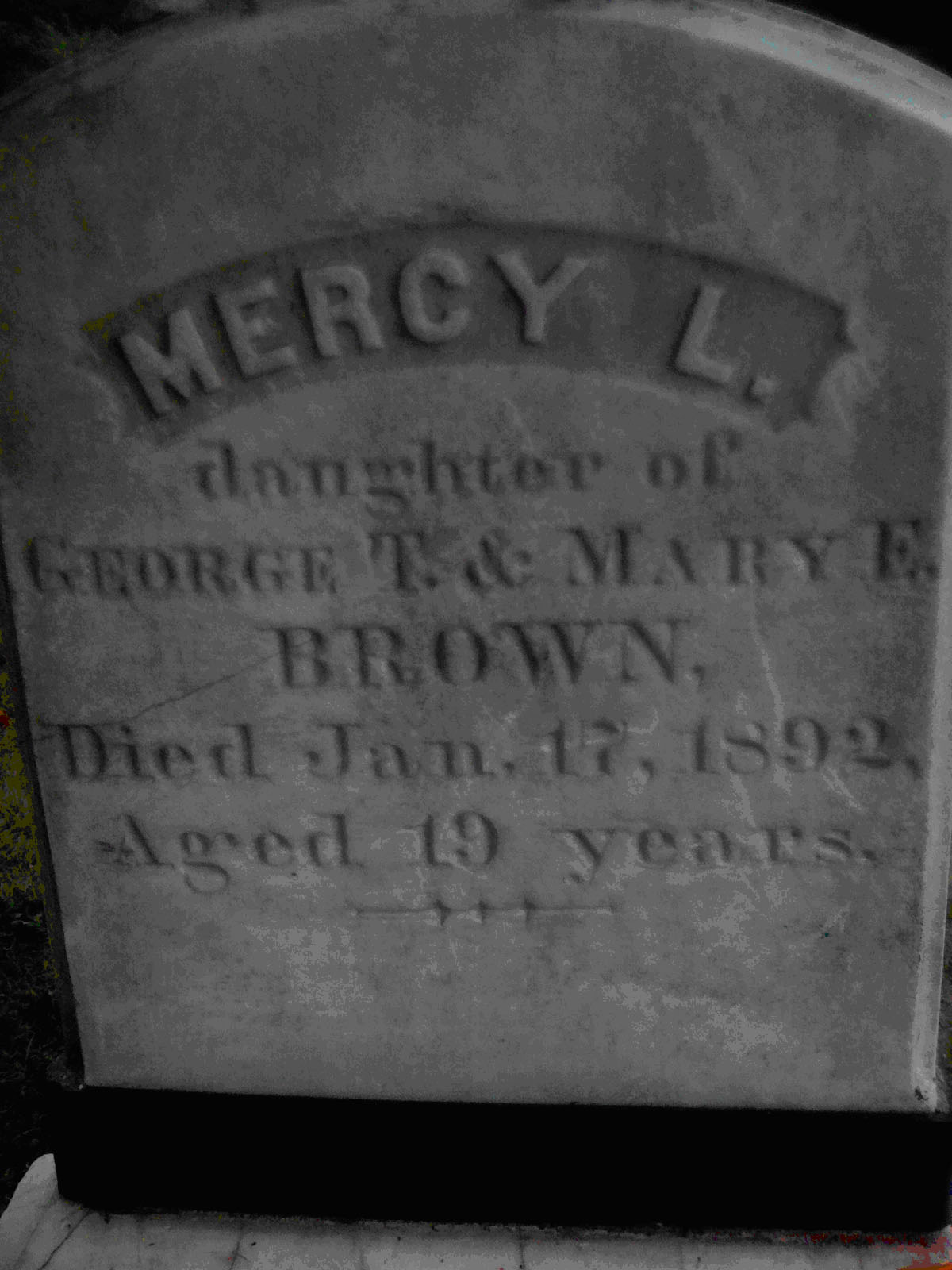
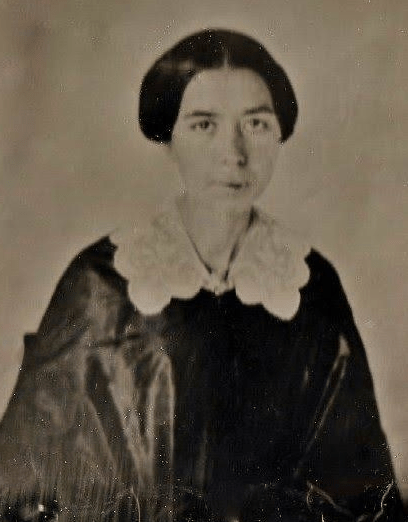 Mercy Lena Brown
Investigation timeline
- 2026-09-19 — Historical file submitted.
- 2026-09-19 — Historical file accepted and published.
- 2026-09-19 — Evidence & media added — submitted by Rev. Peter · approved by Rev. Peter
Research notes
Historical research: A Historical Case with a Conventional Explanation
The Mercy Brown incident is unusual among “vampire” files because the central facts are largely undisputed. The Brown family existed; several members died of tuberculosis; Mercy died in January 1892; her body was exhumed in March 1892; anti-vampire rituals were performed; Edwin was given a preparation made from burned organs; and he died shortly afterward. The live question is not whether the exhumation happened — it is how to read what the participants thought they were doing.
The mainstream historical reading is medical and cultural, not supernatural. Tuberculosis spreads readily among people sharing a household. The pattern of illness that convinced Exeter residents an undead relative was attacking the Browns is the pattern modern epidemiology expects in a family outbreak. Mercy’s preserved appearance and reported residual blood likewise have conventional explanations: a short interval since death and winter cold, including vault storage in some accounts. Those findings frightened observers; they do not, by themselves, require an undead agent.
That does not make the episode empty or merely a hoax. Unlike many paranormal legends, there is little sign that the core event was invented after the fact. The dig, the ritual, and the press coverage are historical. What remains unsupported is the conclusion the participants reached — that Mercy had become an active undead being. Popular retellings still frame the story as a true vampire case; scholarship usually treats it as folk medicine under disease panic. Both frames circulate. This file documents a real ritual under real fear. It does not certify that the dead were feeding on the living.
Open research questions
A specific gap in the file. An accepted source, research note, or further-reading link closes it.
Locate the earliest surviving contemporary newspaper account of the March 17, 1892 exhumation and record its publication date.
Propose evidence & media, a source citation, further reading, a research note, a correction, a related case, or a series link. Staff review before anything is added. An accepted correction does not replace the file by itself.