GG-2026-117
Cottingley Fairies Photographs
- Phenomenon Folklore & Cultural Encounters
- Documentation
Rating A
- A — Strong dossier: several independent sources plus primary evidence (original media, records, measurements) a researcher could use without interviewing anyone.
- B — Well documented: multiple independent witnesses with at least some contemporary primary material, or one witness with substantial primary corroboration (photos, recordings, contemporaneous notes, documents).
- C — Multi-source but soft: several witnesses or a long run of reports, but mostly testimony and after-the-fact secondary sources (newspapers, folklore collections, later interviews). Little or no primary physical evidence. Regional legend clusters such as the Bridgewater Triangle land here.
- D — Thin: single witness (or one household), little or no support beyond the account. Normal for a sincere personal experience.
- E — Incomplete or not yet assessed. Every new submission starts here until staff have read it.
- Evidence & media 6 items
- Status Resolved
- Location Cottingley Beck, West Yorkshire, England · approximate placement
- Occurred 1917
Approximate marker representing Cottingley Beck, where the fairy photographs were made between 1917 and 1920. The marker serves as a historical reference point and should not be interpreted as the precise location of an individual photograph.
Activity period
- Earliest claimed event 1917
- Earliest documented report 1917
- Latest documented report 1920
- Pattern Recurring
Summary
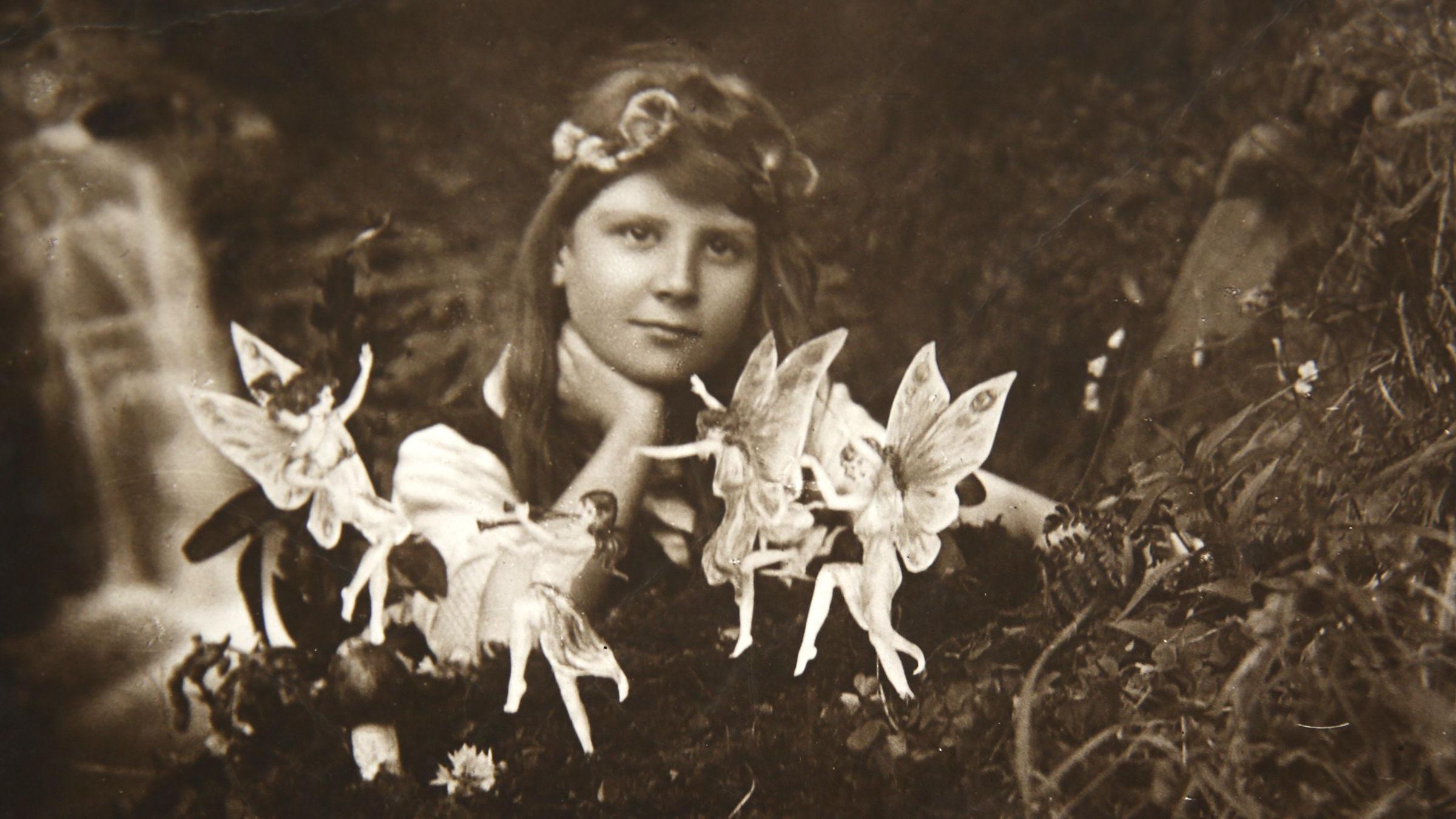
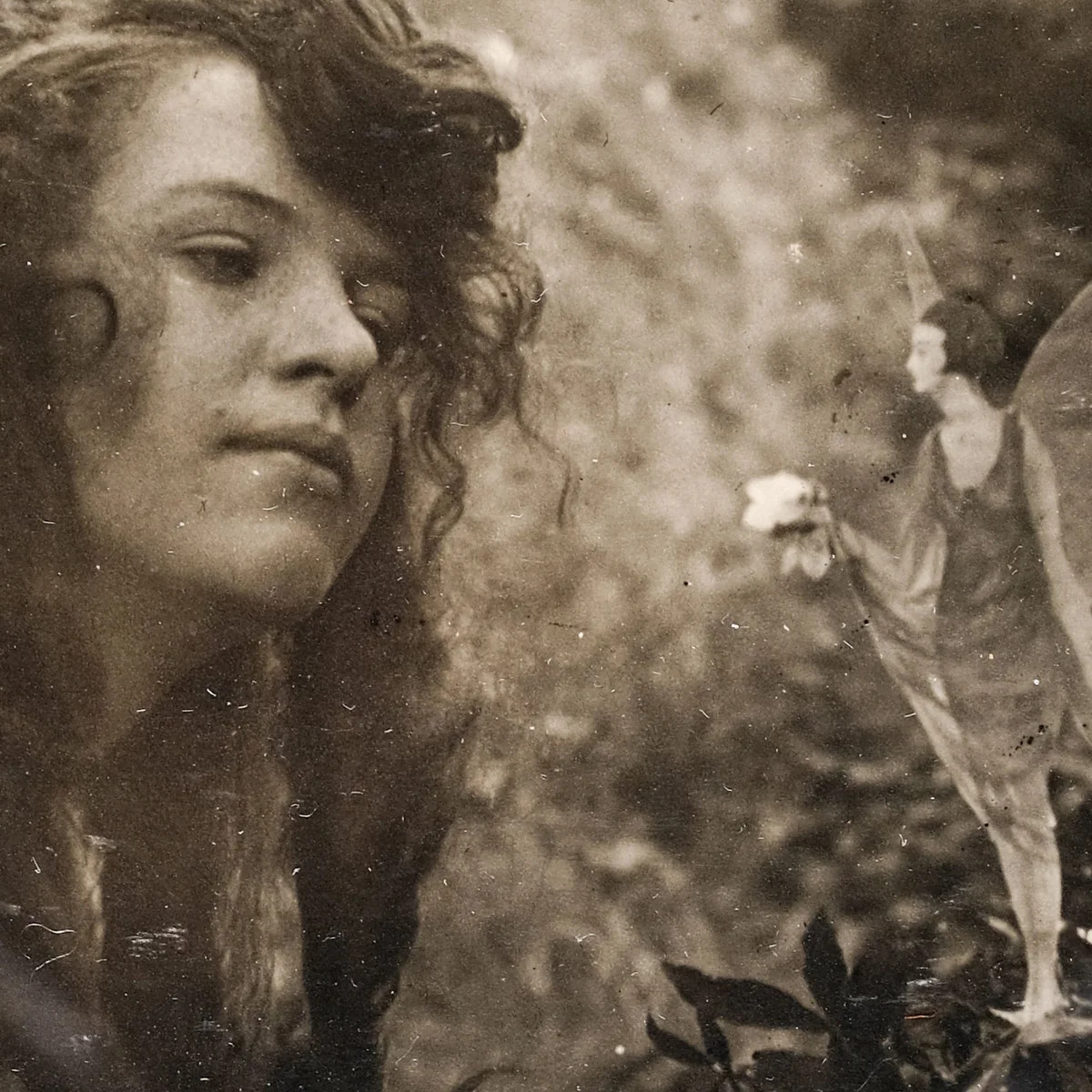
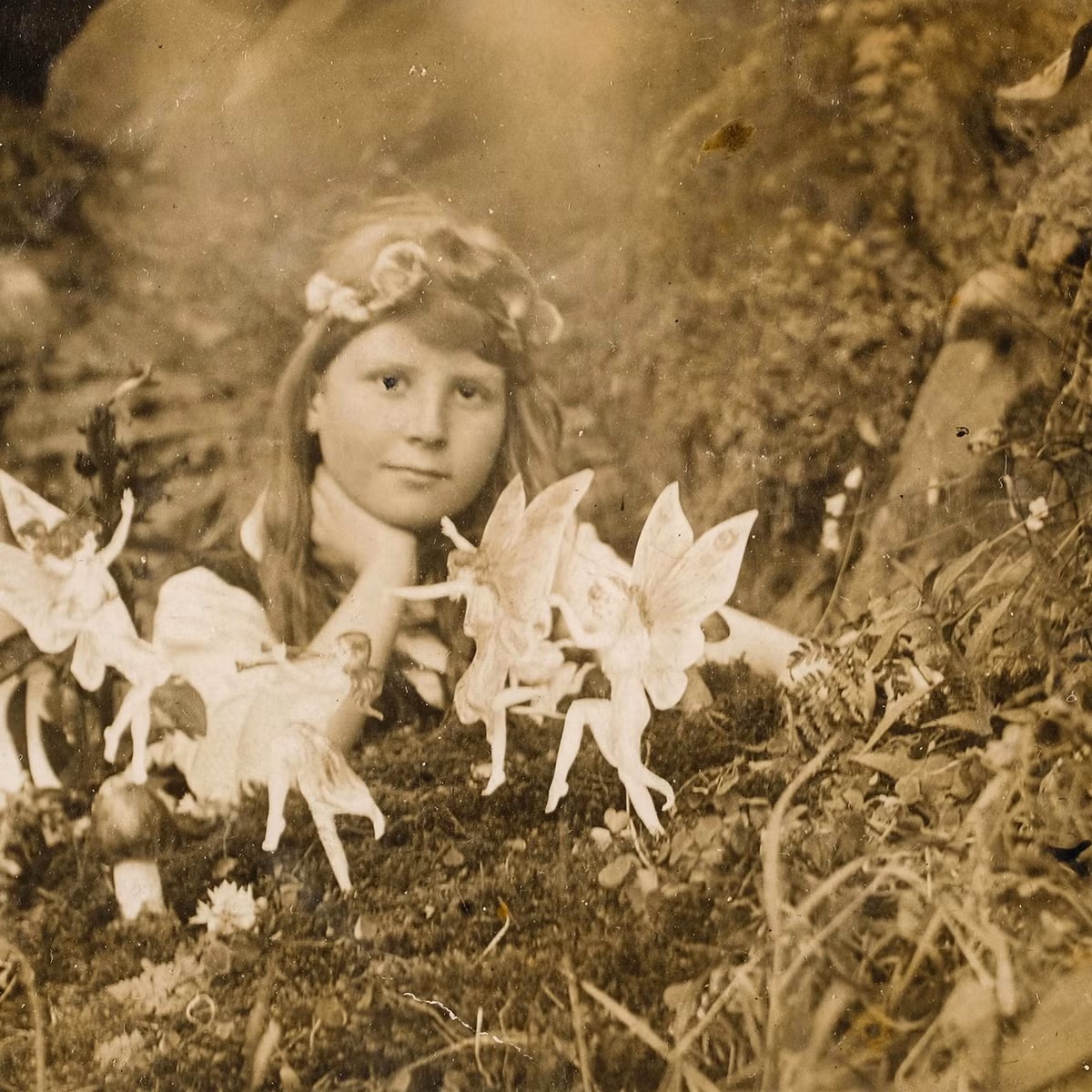
The Cottingley Fairies are among the most famous and influential paranormal controversies of the twentieth century. Between 1917 and 1920, cousins Elsie Wright and Frances Griffiths produced a series of photographs appearing to show fairies near Cottingley, West Yorkshire, England. The images convinced many believers, including Arthur Conan Doyle. Decades later, the girls admitted that most of the photographs had been staged, transforming the case from a paranormal mystery into a landmark study of belief, folklore, and photographic deception.
Background
The Cottingley Fairies case began in 1917 in the village of Cottingley near Bradford, England. Cousins Elsie Wright and Frances Griffiths frequently played near Cottingley Beck, a stream close to the Wright family home. When family members questioned why they repeatedly returned with wet clothing and muddy shoes, the girls explained that they had been visiting fairies at the beck.
Seeking to support their claims, Elsie borrowed her father's camera and, together with Frances, produced two photographs that appeared to show small winged fairy figures standing near the children. While some family members expressed skepticism, others found the images intriguing and believed they might represent genuine paranormal phenomena.
The photographs remained a local curiosity until 1919, when they were presented at a meeting of the Bradford Theosophical Society. The images attracted the attention of Edward Gardner, a prominent member of the organization, who became convinced they warranted serious investigation. Gardner arranged for further examination of the photographs and eventually brought them to the attention of Arthur Conan Doyle.
At the time, Doyle had become a passionate advocate of spiritualism. Like many people affected by the losses of the First World War, he believed that evidence of unseen spiritual realities could provide comfort and insight. The Cottingley photographs appeared to offer tangible support for ideas that many spiritualists already held regarding nature spirits and other non-human intelligences.
In 1920, Doyle presented the photographs in The Strand Magazine, bringing the story to an international audience. Public reaction was sharply divided. Believers regarded the images as evidence that fairies and spirits were real, while critics questioned the authenticity of the figures, noting their theatrical poses and apparently flat appearance.
Additional photographs were taken later that year using cameras supplied by investigators. These images expanded the collection to five photographs and became central to ongoing debates about authenticity. Supporters pointed to expert testimony suggesting the photographs showed no obvious signs of manipulation, while skeptics argued that the limitations of early photographic analysis made definitive conclusions difficult.
Decades later, the principal mystery shifted from the photographs themselves to their creation. In interviews conducted during the 1980s, Elsie Wright and Frances Griffiths acknowledged that most of the images had been staged using illustrated paper cutouts supported by hatpins. Elsie explained that the fairies had been based on drawings inspired by popular children's illustrations of the era.
Despite these admissions, the story did not end entirely. Griffiths continued to maintain that she had genuinely seen fairies as a child and suggested that one of the photographs may have reflected a real experience. Her position ensured that discussion of the case continued even after the basic method behind the photographs became widely known.
Today, the Cottingley Fairies case is regarded as one of the most influential episodes in the history of paranormal belief. The photographs, correspondence, surviving negatives, and contemporary investigations are well documented. While the staged nature of most of the images is now generally accepted, the case remains an important study of folklore, photography, media influence, and the ways in which intelligent and well-meaning people can interpret the same evidence in dramatically different ways.
Witness statement
No statement on file.
Evidence & media
881d7ce0-8751-11f0-97b2-4f0915b1f285
Photos taken by the girls in 1917
2549
Photos taken by the girls in 1917
Cottingley Fairies
Photos taken by the girls in 1917
757a8d10-874e-11f0-9cf6-cbf3e73ce2b9
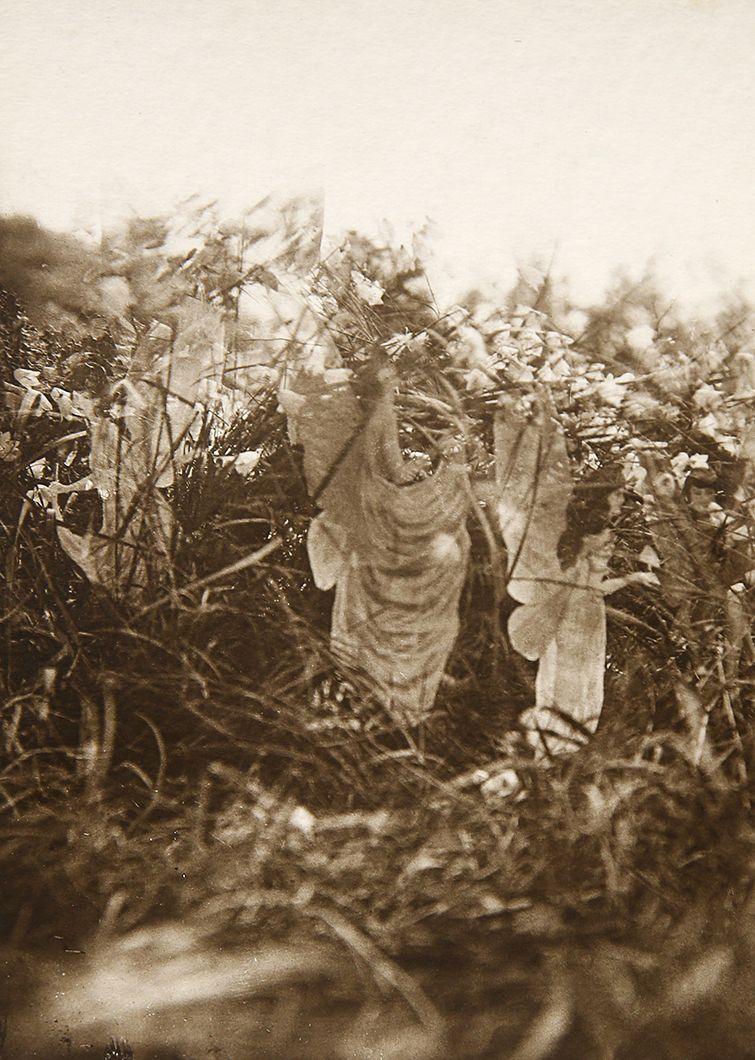
This is the only photograph over which Frances and Elsie disagreed in later life. Until she died, Frances, who took the photograph, insisted that it was genuine. However, in a letter to Geoffrey Crawley written in 1983, Elsie revealed that all five photographs were faked.
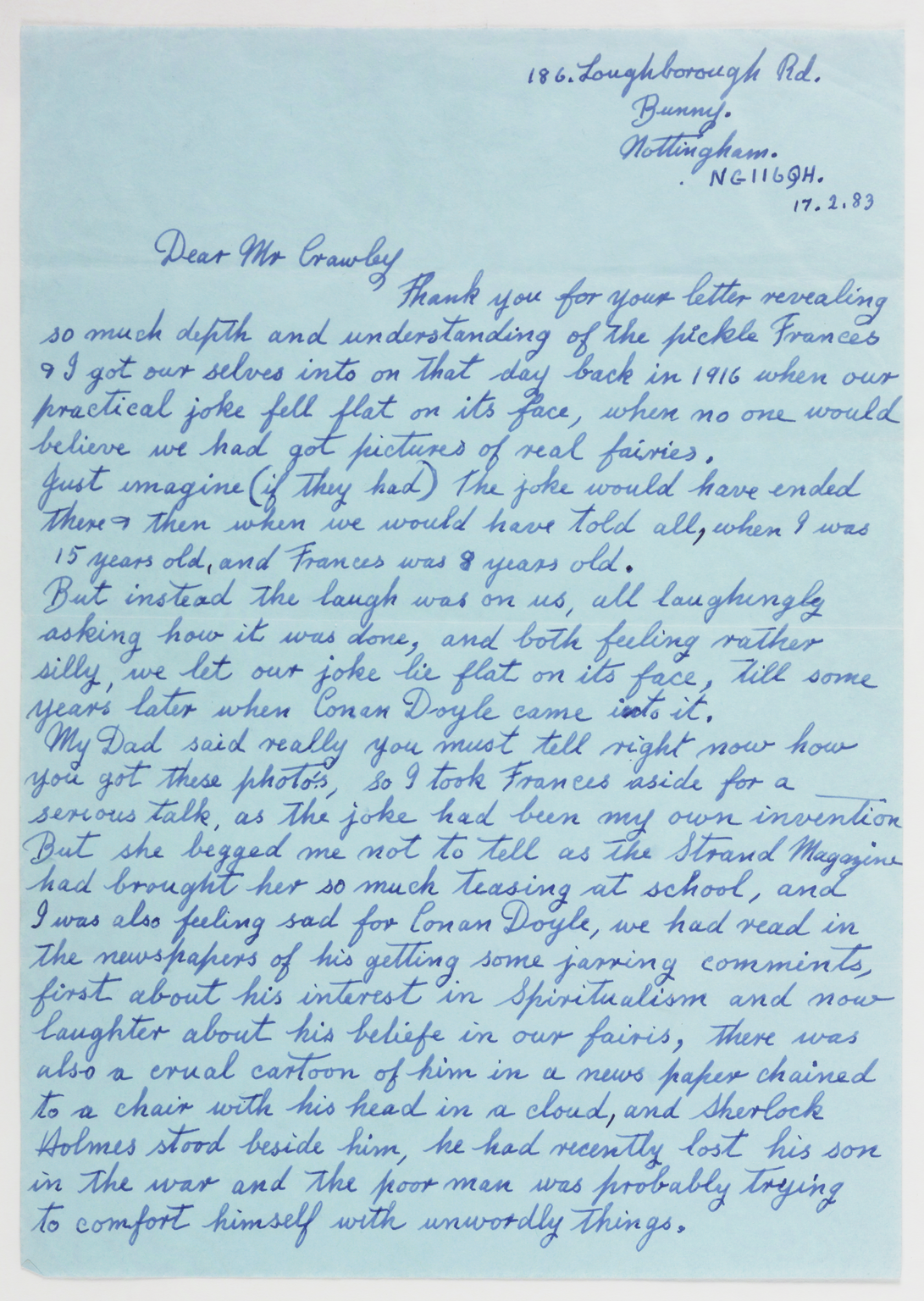
Cottingley Letter
The first page of a letter by Elsie Hill Wright, to Geoffrey Crawley, dated 17 February 1983 © Science Museum Group collection
 How the Cottingley Fairies Photographs Were Made
Further reading
Continue exploring — Wikipedia, documentaries, podcasts, museum pages. Not treated as proof, and not independently verified by this archive.
Investigation timeline
- 2026-10-08 — Historical file submitted.
- 2026-10-09 — Historical file accepted and published.
Assigned GG-2026-117
Research notes
Historical research: A Hoax That Became More Important Than the Phenomenon It Claimed to Prove
Unlike many paranormal cases where the mystery remains unresolved, the Cottingley Fairies are widely considered solved. The strongest historical evidence indicates that the photographs were staged using paper figures copied from contemporary illustrations and photographed to create the illusion of fairy encounters. The participants themselves later admitted the deception.
What keeps the case important is not the possibility that fairies were real, but the extraordinary impact the photographs had on the public. The images convinced respected investigators, leaders of spiritual movements, photographic experts, and even Arthur Conan Doyle. The case demonstrates how easily sincere belief, cultural expectations, and incomplete analysis can influence the interpretation of evidence. For this reason, the Cottingley Fairies remain one of the most significant cautionary tales in paranormal history.
Open research questions
A specific gap in the file. An accepted source, research note, or further-reading link closes it.
Can the exact locations along Cottingley Beck used for each of the five photographs be reconstructed from surviving photographs, maps, and contemporary accounts?
Can the publication source used for the fairy illustrations copied into the staged photographs be identified for each image?
Can the production history of the fifth Cottingley photograph, “Fairies and Their Sun-Bath,” be reconstructed well enough to explain why Elsie Wright described it as staged while Frances Griffiths maintained that it was genuine?
Propose evidence & media, a source citation, further reading, a research note, a correction, a related case, or a series link. Staff review before anything is added. An accepted correction does not replace the file by itself.