GG-2026-049
Gef the Talking Mongoose
- Phenomenon Cryptids & Unknown Zoology
- Documentation
Rating C
- A — Strong dossier: several independent sources plus primary evidence (original media, records, measurements) a researcher could use without interviewing anyone.
- B — Well documented: multiple independent witnesses with at least some contemporary primary material, or one witness with substantial primary corroboration (photos, recordings, contemporaneous notes, documents).
- C — Multi-source but soft: several witnesses or a long run of reports, but mostly testimony and after-the-fact secondary sources (newspapers, folklore collections, later interviews). Little or no primary physical evidence. Regional legend clusters such as the Bridgewater Triangle land here.
- D — Thin: single witness (or one household), little or no support beyond the account. Normal for a sincere personal experience.
- E — Incomplete or not yet assessed. Every new submission starts here until staff have read it.
- Evidence & media 4 items
- Status Historic
- Location Dalby, Isle of Man · approximate placement
- Occurred 1 October 1931
This case is associated with private or restricted property. Do not trespass, disturb residents, remove artifacts, or conduct an investigation without explicit permission.
Approximate marker placed near the historic Irving family farmhouse area on the Isle of Man. Public mapping represents the general vicinity associated with the Gef reports and should not be interpreted as identifying an exact surviving property location.
Activity period
- Earliest claimed event September 1931
- Earliest documented report February 1932
- Latest documented report Unknown
- Pattern Historic wave
Summary
Beginning in 1931, the Irving family of Cashen's Gap, a remote farmhouse near Dalby on the Isle of Man, reported sharing their home with a mysterious talking creature that called itself “Gef.” The family described Gef as a mongoose-like animal that spoke in a high voice, sang songs, exchanged gossip, threw small objects, and moved through spaces behind the house's wooden wall panels. Visitors sometimes claimed to hear the voice, although the creature was seldom reportedly seen. The case attracted extensive newspaper attention and eventually an investigation by psychical researcher Harry Price and journalist R. S. Lambert. Physical evidence offered by the family proved unconvincing, including alleged Gef hairs that matched the family's dog, while ventriloquism and deliberate trickery were proposed as explanations. The Irving family continued to deny having fabricated the phenomenon.
Background
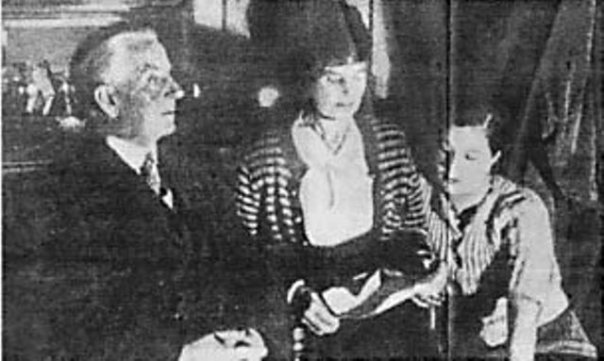
In 1931, James Irving lived with Margaret Irving and their daughter Voirrey Irving at Doarlish Cashen, also known as Cashen's Gap, an isolated stone farmhouse above Dalby on the Isle of Man. Voirrey was thirteen when the unusual reports began. The farmhouse's rooms were lined with wooden matchboarding, leaving spaces behind the panels through which an animal could potentially move unseen. That physical feature became central to nearly everything that followed.
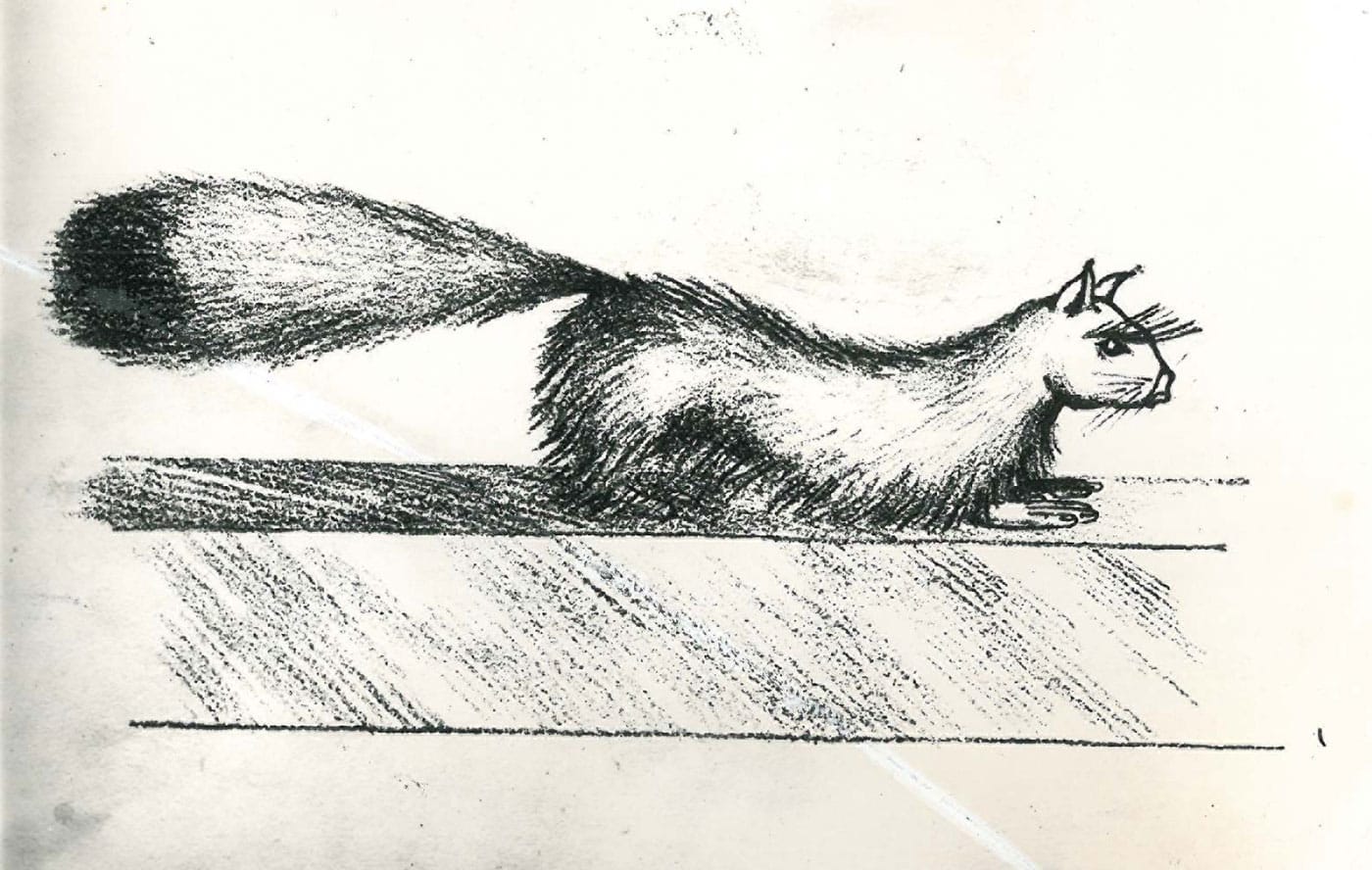
The family's first reports involved scratching, rustling and animal-like noises coming from behind those wooden walls. At first the Irvings believed an ordinary animal had entered the house. James Irving later described something small and yellowish, with a bushy tail, resembling a ferret or weasel. But the phenomenon soon developed a considerably stranger characteristic: the noises were said to begin imitating human speech.
According to Irving, the family's attempts to imitate animals and repeat simple phrases were answered from behind the paneling. Over time the unseen speaker developed a distinct identity. The voice eventually called itself “Gef,” claimed to be a mongoose, and supplied an elaborate and inconsistent biography. Among other descriptions attributed to the voice were “an extra extra clever mongoose,” an “earthbound spirit,” and a ghost in the form of a weasel.
Gef gradually became less like an unexplained animal in the walls and more like another eccentric member of the household. The Irvings claimed the creature sang, exchanged gossip, warned of approaching visitors, accepted food, moved around the property, and sometimes threw small objects. James Irving documented the developing story extensively, and newspapers turned what became known locally as the “Dalby Spook” into a wider sensation.
The reports did not come exclusively from the three Irvings. Visitors sometimes said they heard unusual voices, knocks or other sounds at Cashen's Gap, although relatively few people claimed to have clearly seen the supposed creature. This distinction became an important part of the case: there were witnesses outside the immediate household to unusual sounds, but the extraordinary identity and biography of “Gef” depended overwhelmingly on material supplied through the Irving household.
The growing publicity attracted the attention of paranormal investigators, including Harry Price. Price was first contacted about the case in the winter of 1932 but initially sought more information before committing himself to an investigation. He eventually became involved alongside R. S. Lambert, journalist and editor of the BBC magazine The Listener. Their work culminated in the 1936 book The Haunting of Cashen's Gap: A Modern “Miracle” Investigated.
When Price and Lambert themselves visited Cashen's Gap in 1935, however, Gef declined to perform. They examined the house and the spaces behind its paneling, but did not obtain the direct encounter that might have settled the matter. Their subsequent book documented the claims, witness testimony and physical material surrounding the case without establishing the existence of an unknown talking animal.
Attempts to obtain physical evidence proved especially damaging to a literal interpretation of the story. Hairs submitted as coming from Gef were examined and did not support identification as a mongoose. The 1936 investigation reproduced comparisons between hairs attributed to Gef, a red setter, and the Irving family's sheepdog Mona; later summaries of the investigation describe the supposed Gef hairs as matching dog hair associated with Mona.
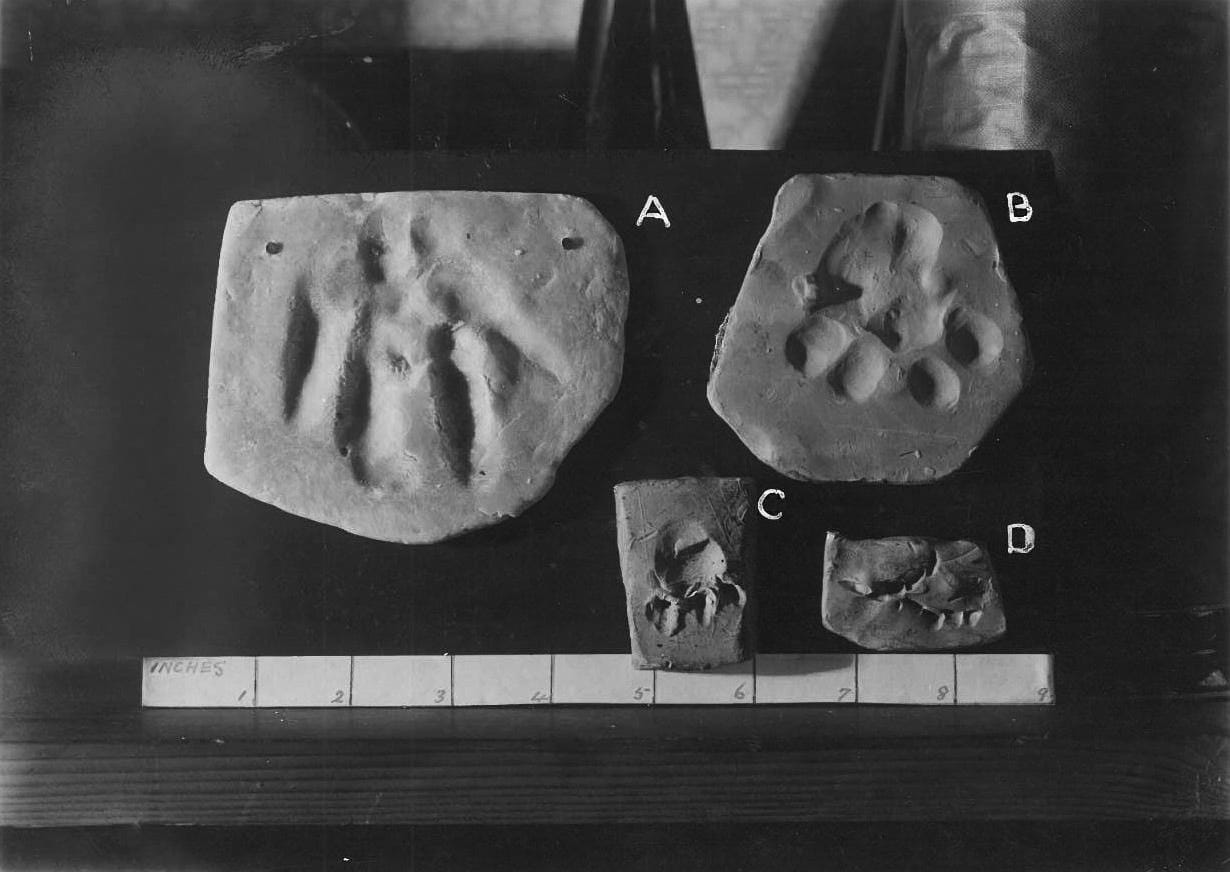
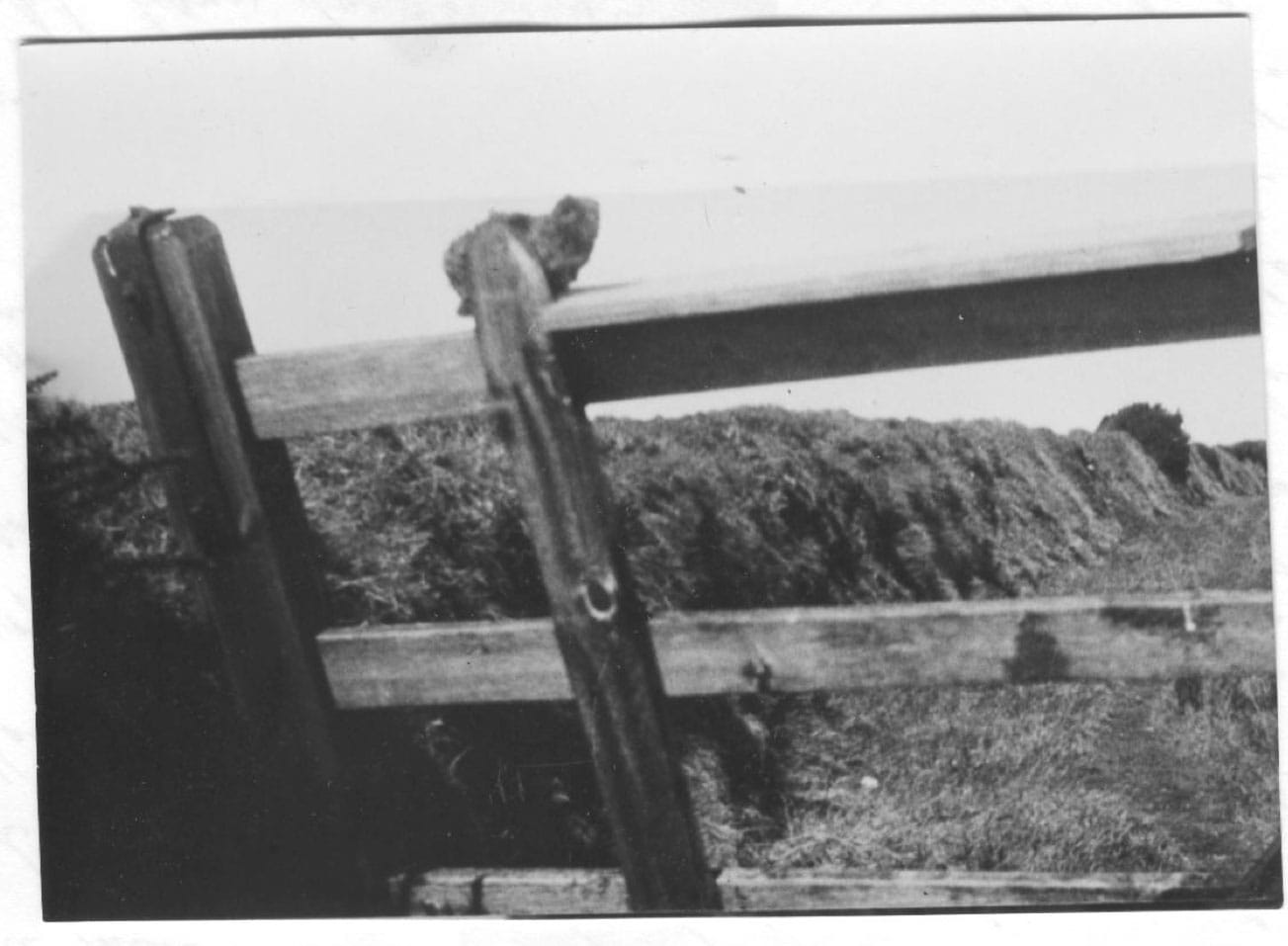
Other claimed physical evidence included impressions said to represent Gef's teeth or paws and a photograph purportedly showing the creature. Price and Lambert's book reproduced alleged tracks and teeth marks as well as the purported photograph, but none supplied independent zoological confirmation of the animal described by the family.
The weaknesses in the physical evidence strengthened an explanation that had followed the story almost from the beginning: ventriloquism or deliberate performance within the Irving household. Contemporary criticism particularly focused on Voirrey Irving, and at least one 1932 article suggested that ventriloquism and trickery could account for the phenomenon. Voirrey denied that explanation for the rest of her life.
The controversy spilled beyond paranormal investigation. R. S. Lambert's association with the case became part of a 1936 slander dispute after his judgment was publicly attacked over his interest in the talking-mongoose story. The episode demonstrates how notorious Gef had become, but it did not establish whether the claims themselves were genuine.
Reports of Gef eventually faded. After the Irving family left Cashen's Gap, later occupants did not report a comparable talking creature, and the farmhouse itself was ultimately demolished. Voirrey continued to reject the accusation that the story had been a family hoax.
The Gef case therefore resists a single neat conclusion. The newspaper sensation, Irving family's extensive testimony, outside visitors, and Price-Lambert investigation are genuine parts of the historical record. But the claimed physical evidence did not establish the existence of an unknown animal, Price and Lambert did not obtain the decisive direct observation they sought, and plausible human explanations such as ventriloquism and trickery were raised while the case was still unfolding.
That leaves Gef as something more interesting than either a verified talking mongoose or a conclusively reconstructed hoax: a remarkably well-documented episode of twentieth-century folklore in which the social phenomenon is indisputable even though the creature at its center remains unsupported by convincing physical evidence.
Witness statement
No statement on file.
Evidence & media
gefmongoose7
Harry Price commissioned artist George Scott to draw a sketch of Gef, based on the Irvings’ descriptions of him.
gefmongoose8
Examining Gef’s prints, from Gef!: The Strange Tale of an Extra-special Talking Mongoose
gefmongoose2
Alleged photograph of Gef, showing him “in distinctly cat-like form” (May 1936)
Irvings 1935
Jim, Margaret, and Voirrey Irving, c. 1935
Further reading
Continue exploring — Wikipedia, documentaries, podcasts, museum pages. Not treated as proof, and not independently verified by this archive.
Investigation timeline
- 2026-09-25 — Historical file submitted.
- 2026-09-25 — Historical file accepted and published.
Assigned GG-2026-049
Research notes
Historical research: Socio-Psychological Dynamics and Construct-Focused Analysis
Academic and folkloric reviews evaluate the Gef phenomenon primarily through socio-psychological models, examining the interplay of geographical isolation, socio-economic decline, and family dynamics.
Researchers note that the Irving family experienced severe socio-economic regression after relocating from a prosperous suburban life in Liverpool to marginal farming on an isolated Manx hill. In this context, analysts evaluate three non-paranormal mechanisms:
Constructed Reality / Folie à Plusieurs: The family developed a shared delusional framework or cooperative narrative to cope with social isolation and financial distress. Ventriloquism and Voice Mimicry: Skeptical researchers highlight that Voirrey Irving demonstrated a talent for ventriloquism and voice manipulation, with wall hollows serving as acoustic resonators.
Media-Induced Performance: The narrative provided James Irving with intellectual engagement and social capital, bringing journalists, scholars, and attention to an otherwise isolated life.
Historical research: Parapsychological and Anomalous Questions
While widely regarded as an eccentric hoax or psychological construct, specific elements of the case present unresolved parapsychological questions regarding Poltergeist mechanics and anomalous information transfer:
Anomalous Information Acquisition: Multiple contemporary visitors and local residents signed affidavits affirming that the entity disclosed specific, private details regarding local affairs, travel schedules, and remote conversations that the family had no apparent means of acquiring.
Recurrent Spontaneous Psychokinesis (RSPK): Parapsychologists note that the onset coincided with Voirrey's early adolescence, a common pattern in RSPK cases where psychological tension manifests as physical displacement of objects, localized acoustic disturbances, and physical raps.
Auditory Manifestation Consistency: Unlike typical conscious fraud cases, independent visitors reported hearing the vocalizations originating from high cavities and timber spaces simultaneously, raising questions about acoustic localization and physical projection within the house structure.
Open research questions
A specific gap in the file. An accepted source, research note, or further-reading link closes it.
Trace the earliest surviving source for the major claims attributed to Gef, including direct speech, physical manifestations, alleged sightings, and reported interactions. Determine which claims originate in contemporary records and which first appear in later retellings or secondary accounts.
Propose evidence & media, a source citation, further reading, a research note, a correction, a related case, or a series link. Staff review before anything is added. An accepted correction does not replace the file by itself.